Complete Bird Care Guide
Everything you need to know to keep your feathered companion healthy, happy, and thriving.
Birds are intelligent, social creatures requiring specialized care. Learn expert guidance on nutrition, housing, health, and enrichment for your avian friend.
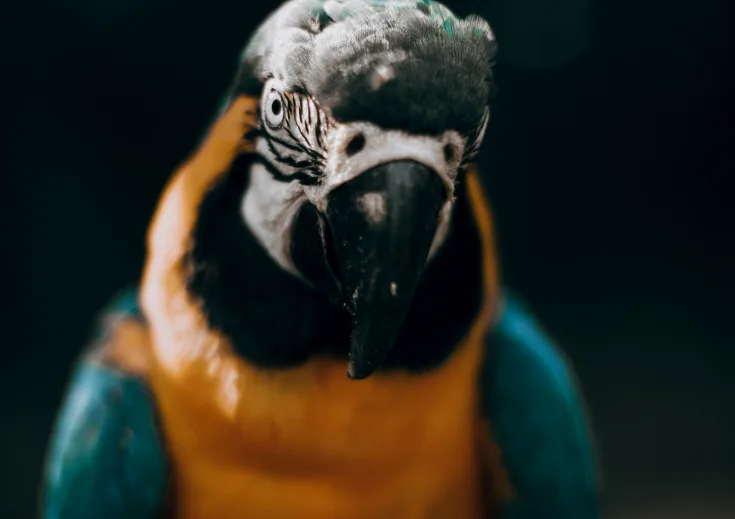
Essential Care Pillars
The foundation of every healthy bird's life
Regular Health Check-ups
Annual avian vet visits for beak and nail trimming, feather health, and disease prevention.
Balanced Nutrition
Species-appropriate pellets, fresh fruits and vegetables, limited seeds, and fresh water daily.
Proper Housing
Spacious cage with horizontal bars, various perches, toys, and daily out-of-cage time.
Mental Stimulation
Social interaction, foraging activities, puzzle toys, and environmental enrichment.

Health & Wellness Tips
Respiratory Health
- Keep away from kitchen fumes, especially Teflon (deadly to birds)
- Avoid smoke, aerosols, candles, and air fresheners
- Watch for sneezing, tail bobbing, or labored breathing
- Maintain proper humidity and air circulation
Beak & Nail Care
- Provide cuttlebone and mineral blocks for beak health
- Natural wood perches help keep nails trimmed
- Regular vet visits for overgrown beaks or nails
- Monitor for flaking, overgrowth, or misalignment
Feather Health
- Provide bathing opportunities (spray bottle or shallow dish)
- Maintain humidity between 40-70% for feather quality
- Watch for excessive plucking or bald patches
- Ensure proper nutrition for molting support
Balanced Bird Nutrition
A varied, pellet-based diet is essential for optimal bird health and longevity
Daily Base Diet
High-quality species-specific pellets (60-70% of diet)
💡 Organic, dye-free pellets formulated for your bird species and size
Fresh Vegetables
Dark leafy greens and colorful vegetables (20-25% of diet)
💡 Kale, carrots, broccoli, bell peppers - wash thoroughly and chop appropriately
Fresh Fruits
Small amounts as treats (5-10% of diet)
💡 Berries, apple (no seeds), mango, papaya - remove pits and seeds
Seeds & Nuts
Limited amounts as occasional treats (5% or less)
💡 High in fat; use for training rewards and variety, not primary food
Toxic & Deadly to Birds - Avoid Completely
- Teflon/PTFE fumes from non-stick cookware (deadly)
- Avocado, chocolate, caffeine, alcohol (toxic foods)
- Heavy metals: Lead, zinc from toys or cages
- Aerosols, candles, air fresheners, cleaning products
- Certain houseplants: Lilies, philodendron, pothos
- Salt, onions, garlic in any amount
Common Health Issues & Prevention
Birds hide illness as a survival instinct. Early detection is critical.
Respiratory Infections
Symptoms: Sneezing, nasal discharge, tail bobbing, voice changes
Prevention: Clean environment, avoid fumes/smoke, proper ventilation
✓ Immediate avian vet visit - respiratory issues are serious
Feather Plucking
Symptoms: Self-inflicted bald patches, damaged feathers, stress behaviors
Prevention: Adequate stimulation, social interaction, balanced diet
✓ Vet exam to rule out medical causes, behavioral consultation
Nutritional Deficiencies
Symptoms: Poor feather quality, lethargy, beak problems, weak bones
Prevention: Balanced pellet-based diet, variety of fresh foods, supplements
✓ Avian vet consultation and dietary adjustments
Egg Binding
Symptoms: Straining, swollen abdomen, lethargy, inability to perch
Prevention: Proper calcium intake, limit breeding triggers, good nutrition
✓ EMERGENCY - Immediate veterinary intervention required
Housing Requirements
Proper housing gives your bird space to move, climb, and feel secure.
- Cage size: Minimum 1.5x wingspan width, 2x height when standing
- Horizontal bars for climbing (parrots and parakeets)
- Multiple natural wood perches of varying diameters
- Stainless steel or powder-coated cages (avoid zinc, lead)
- Place cage in social area, away from drafts and direct sun
- Daily supervised out-of-cage time for exercise and bonding
Mental Enrichment
Birds are highly intelligent and need daily mental stimulation to prevent boredom and behavioral issues.
- Foraging toys: Hide treats in puzzle toys and foraging boxes
- Shreddable toys: Paper, cardboard, natural fibers for destruction
- Social interaction: Daily talking, training, and quality time
- Rotating toys: Change toys weekly to prevent boredom
- Music or bird sounds: Can provide comfort when alone
- Safe branches and perches: Variety of textures and heights
Need Expert Advice for Your Bird?
Our avian-experienced veterinary team is here to help with specialized care and expert guidance for your feathered friend.