Complete Rabbit Care Guide
Everything you need to know to keep your rabbit companion healthy, happy, and thriving.
Rabbits are sensitive, intelligent animals requiring specialized care. Learn expert guidance on nutrition, housing, health, and preventive care for your bunny.
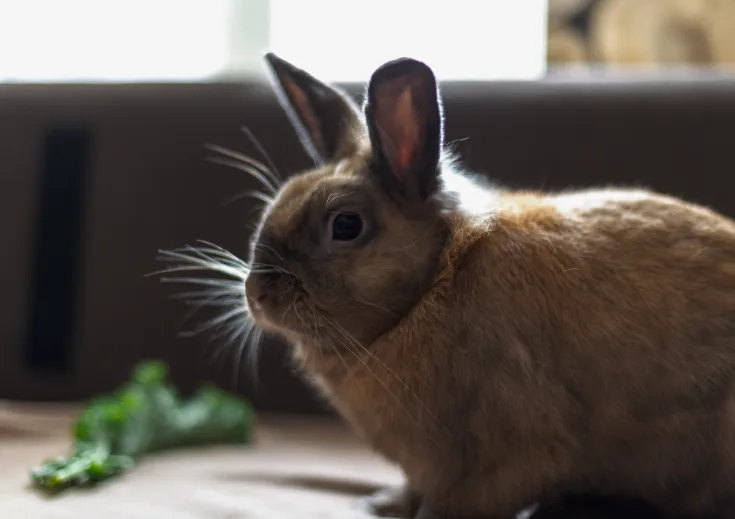
Essential Care Pillars
The foundation of every healthy rabbit's life
Regular Health Check-ups
Annual vet visits with rabbit-savvy veterinarians for dental checks, spay/neuter, and preventive care.
Proper Nutrition
Unlimited hay, fresh vegetables daily, limited pellets, and constant access to fresh water.
Safe Living Space
Spacious enclosure, bunny-proofed exercise area, hiding spots, and comfortable resting areas.
Grooming & Care
Regular brushing, nail trimming, monitoring teeth and ears, and maintaining cleanliness.

Health & Wellness Tips
Dental Health
- Teeth grow continuously - unlimited hay essential for wear
- Check for drooling, weight loss, or difficulty eating
- Regular dental check-ups every 6-12 months
- Provide safe wood chews for additional wear
GI Stasis Prevention
- Ensure constant hay availability (80% of diet)
- Monitor eating and pooping habits daily
- Provide regular exercise and mental stimulation
- Seek immediate vet care if not eating for 12+ hours
Spay/Neuter
- Recommended at 4-6 months to prevent health issues
- Prevents uterine cancer in females (80% risk by age 5)
- Reduces territorial and aggressive behaviors
- Makes bonding with other rabbits easier
Nutrition Guide by Life Stage
Proper rabbit nutrition is hay-based. Fresh hay should make up 80% of their diet with vegetables and limited pellets.
Young Rabbits
(0-7 months)Diet: Unlimited alfalfa hay, pellets, introduce vegetables slowly
Amounts: Free feeding hay, 1/4 cup pellets per 5 lbs, gradual veggies
💡 Alfalfa provides extra calcium and protein for growth
Adult Rabbits
(7 months - 5 years)Diet: Unlimited timothy/grass hay, variety of fresh vegetables
Amounts: Free feeding hay, 1/4 cup pellets per 6 lbs, 2-3 cups veggies
💡 Hay should be 80% of diet; rotate 3-5 vegetable types daily
Senior Rabbits
(5+ years)Diet: Unlimited hay (may prefer softer varieties), senior-friendly pellets
Amounts: Free feeding hay, adjust pellets for weight, consistent veggies
💡 Monitor weight closely; may need alfalfa if losing weight

Safe Vegetables Guide
- Dark leafy greens: Romaine, kale, cilantro, parsley (daily)
- Rotate vegetables: Bell peppers, carrots (small amounts), broccoli
- Herbs: Basil, mint, dill - great for variety
- Avoid: Iceberg lettuce, potatoes, onions, seeds
- Introduce new vegetables one at a time gradually
- Fresh vegetables should be washed and room temperature
Common Health Issues & Prevention
Rabbits are prey animals and hide illness well. Know these critical warning signs.
GI Stasis
Symptoms: Not eating, no fecal pellets, hunched posture, lethargy
Prevention: Unlimited hay, regular exercise, stress reduction, proper diet
✓ EMERGENCY - Seek immediate veterinary care within hours
Dental Disease
Symptoms: Drooling, not eating hay, weight loss, facial swelling
Prevention: Unlimited hay for natural teeth wear, regular dental checks
✓ Veterinary dental trim and treatment required
Respiratory Infections
Symptoms: Sneezing, nasal discharge, difficulty breathing
Prevention: Clean environment, avoid dust, proper ventilation
✓ Veterinary examination and antibiotics if needed
Sore Hocks
Symptoms: Red, inflamed footpads, hair loss on feet
Prevention: Soft bedding, avoid wire floors, maintain healthy weight
✓ Veterinary treatment and environmental modifications
Housing & Environment
Proper housing is critical for rabbit health and happiness. They need space to hop, binky, and explore safely.
- Minimum 4x4 feet for small breeds, larger for bigger rabbits
- At least 3-4 hours daily supervised exercise outside enclosure
- Remove electrical cords, toxic plants, and small objects
- Provide hidey houses or tunnels for security
- Use rabbit-safe litter (paper-based, not clay or clumping)
- Keep temperature between 60-70°F (rabbits overheat easily)
Need Expert Advice for Your Rabbit?
Our veterinary team has experience with rabbit care and is here to help with specialized guidance for your bunny.